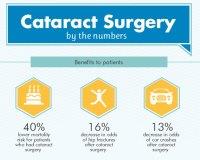
For many people, struggling with blurred vision can be a frustrating and disheartening experience. It can be the daily hassles of reaching for glasses, managing contact lenses, or confronting the challenges of conditions including cataracts or presbyopia, the quest for clearer sight is often a key focus. Luckily, lens replacement surgery has come forth as a viable solution for those desiring to improve their vision. By replacing the lens within the eye with an artificial one, patients can not only improve their eyesight while also enjoy a new freedom from standard eye correction methods.
However, as with any surgical procedure, lens replacement surgery entails its own pros and cons. Recognizing the advantages, like improved clarity and the ability to treat various vision imperfections, alongside the possible risks and expenses involved, is important for making an educated choice. This article will explore the advantages and disadvantages of lens replacement surgery, aiding your decision-making process and consider whether it aligns with your sight correction goals and personal aspirations.
Contrasting Lens Exchange and PRK
In evaluating vision correction options, the methods of photorefractive keratectomy (PRK) are commonly chosen, each offering specific perks. Lens replacement entails the surgical removal of the lens inside the eye and replacing it with an IOL. This procedure provides significant benefits for those with cataracts or presbyopia, as it facilitates the fixing of various refractive errors such as nearsightedness and farsightedness. In https://www.webmd.com/eye-health/cataracts/intraocular-lens-implant , PRK alters the cornea using laser techniques, making it a viable choice for those with healthy corneas and less severe refractive errors.
A key distinction between these procedures is the time needed to heal and associated risks. Lens replacement generally provides a faster healing process, with many patients noticing improved vision within days. However, it may also lead to some early discomfort and complications such as halos and glare, which can impact night vision. PRK needs a more extended recovery time, as the outer layer of the cornea must regenerate after treatment. Although patients may endure discomfort during the recovery phase, the ultimate results often result in excellent vision that doesn’t require glasses.
Another crucial consideration is the cost and eventual effects. Lens replacement can be more expensive, especially if choosing premium IOLs that come with enhancements like improved contrast sensitivity and customized vision correction. PRK, although usually cheaper, may need adjustments over time for optimal results. Ultimately, the choice between lens replacement and PRK is influenced by individual factors such as age, lifestyle, and specific vision needs, making it essential to speak to an eye care professional to find out the most suitable choice.
Advantages of Lens Replacement for Different Eye Conditions
Lens replacement surgery offers significant advantages for individuals struggling with multiple eye conditions. For those with high hyperopia, conventional glasses and contacts may not provide sufficient vision correction, leading to continuing discomfort and limited visual acuity. Lens replacement can successfully address these challenges by replacing the eye's natural lens with a superior intraocular lens, allowing for improved focusing ability at multiple distances and improving overall quality of life.
For individuals with severe myopia, lens replacement surgery provides a practical alternative to long-term dependency on bulky glasses or contact lenses. This procedure not only corrects nearsightedness but also minimizes the risk of upcoming complications related to high myopia, such as retinal detachment or degeneration. Customizing the lens to fit the specific visual needs of the patient ensures optimal outcomes and a greater sense of visual freedom.
Patients aged 45 and above often experience presbyopia, a frequent condition that affects near vision. click now can be a perfect solution by offering multifocal or trifocal intraocular lenses that provide crisp vision at different distances. This means patients can enjoy activities like reading, operating vehicles, and engaging in sports without the hassle of changing between different pairs of glasses. Additionally, addressing presbyopia through lens replacement enhances contrast sensitivity and minimizes halos and glare, which are often faced after traditional cataract surgery.
Adjusting Lens Options for Personal Vision Needs
As you evaluating lens replacement surgery, a of the most advantages is the capability to customize the procedure to match your visual requirements. Individuals can choose from different intraocular lenses (IOLs) that cater to different visual requirements, such as trifocal, extended depth of focus (EDOF), and light adjustable lenses. Such choices allow for a tailored approach, addressing issues such as nearsightedness, farsightedness, and presbyopia, providing a complete answer to blurry vision.
Another important factor of customization is the age and lifestyle of the individual. For people aged 45 and older, who may be facing age-related vision changes, selecting the right lens type is crucial. Active people might profit from lenses designed for active vision, which enhance clarity and reduce halos and glare. Personalized lens replacement makes sure that clients can continue their daily activities without the hindrance of visual discomfort, making it feasible to enjoy clear vision during both rigorous and leisure activities.
In conclusion, the dialogue around cost and benefit should not be ignored. Tailored lens replacements can change significantly in price depending on the type of lens picked and individual surgical techniques utilized. Patients should talk about the different options with their ophthalmologists to find a middle ground between premium outcomes and affordability. Grasping the cost aspects, alongside the potential for enhanced eyesight, is crucial for making an informed decision about lens replacement adapted to individual needs.
Comprehending Outcomes and Financial Aspects of Lens Replacement Surgery
Lens replacement surgery can deliver substantial improvements in vision, helping individuals perceive accurately at different distances and reducing reliance on glasses or contact lenses. Many patients experience enhanced contrast sensitivity, which is crucial for activities in low light conditions, and some mention satisfaction with activities like reading or sports after surgery. However, outcomes can vary based on individual factors such as age, pre-existing eye conditions, and the particular type of intraocular lens chosen, such as trifocal or EDOF lenses. These personalized options allow for personal solutions, aiming to meet the individual visual needs of patients.
The cost of lens replacement surgery can vary widely based on factors such as region, the surgeon's expertise, and the techniques used. On average, patients might foresee to pay more for premium intraocular lenses and custom vision correction options compared to standard procedures. It's crucial for individuals to weigh these costs against the potential benefits of better vision and quality of life. Additionally, grasping insurance coverage and financing options can play a significant role in making this decision.
While lens replacement surgery can offer a lasting solution for refractive errors and cataracts, there may be unforeseen costs to consider. These can include pre-operative assessments, post-operative follow-up visits, and potential additional treatments for any side effects like halos or glare. Prospective patients should ask about these aspects upfront to avoid surprising expenses. Overall, a thoroughgoing understanding of the expected outcomes and associated costs is crucial for making an informed decision regarding lens replacement surgery.